Introduction
Every moms and dad's problem is the thought of their newborn encountering a vital emergency. Understanding cardiopulmonary resuscitation (CPR) techniques specifically tailored for infants can be the difference in between life and fatality in such scenarios. Yet, many moms and dads are not aware of the unique methods associated with carrying out CPR on infants. This extensive guide aims to outfit every parent with necessary expertise and skills relating to CPR on newborns, diving right into one-of-a-kind methods that certified CPR/aed and first aid training can conserve lives.
CPR on Infants: One-of-a-kind Techniques Every Moms And Dad Must Know
Cardiopulmonary resuscitation (CPR) is a lifesaving technique made use of in emergency situations when somebody's breathing or heartbeat has quit. While many people know with adult CPR, the methods vary significantly when it concerns infants. The delicate nature of a newborn calls for details methods that differ from those utilized on older kids and adults.
Understanding Newborn Composition and Physiology
Before diving into CPR strategies, it's important to recognize the composition and physiology of a newborn. Infants have smaller sized lungs, vulnerable ribs, and a different blood circulation system than grownups. Understanding these distinctions can assist moms and dads do CPR more effectively.
The Importance of Airway Management
Newborns' airways are smaller sized and extra vulnerable to blockage; thus, respiratory tract management is crucial during an emergency situation. Moms and dads cpr renewal should find out just how to effectively remove a respiratory tract to guarantee reliable breathing restoration.
Recognizing When to Execute CPR
One of the very first steps in any kind of emergency situation is acknowledging when CPR is essential:
- Unresponsiveness: If your baby isn't reacting or moving. No Breathing: If your infant isn't taking a breath normally or at all. Abnormal Skin Color: A blue tint around lips or face suggests absence of oxygen.
Initial Assessment: The DRSABCD Approach
The DRSABCD method is vital for analyzing any emergency situation:
D - Danger: Make certain the setting is safe. R - Response: Examine if the infant reacts by delicately trembling them. S - Send for Help: Ask for emergency support if needed. A - Airway: Open up the airway by turning the head back gently. B - Breathing: Seek indications of breathing. C - Compression: If no breathing is detected, commence CPR. D - Defibrillation: Use an AED if offered and trained to do so.
The Actions to Perform Infant CPR
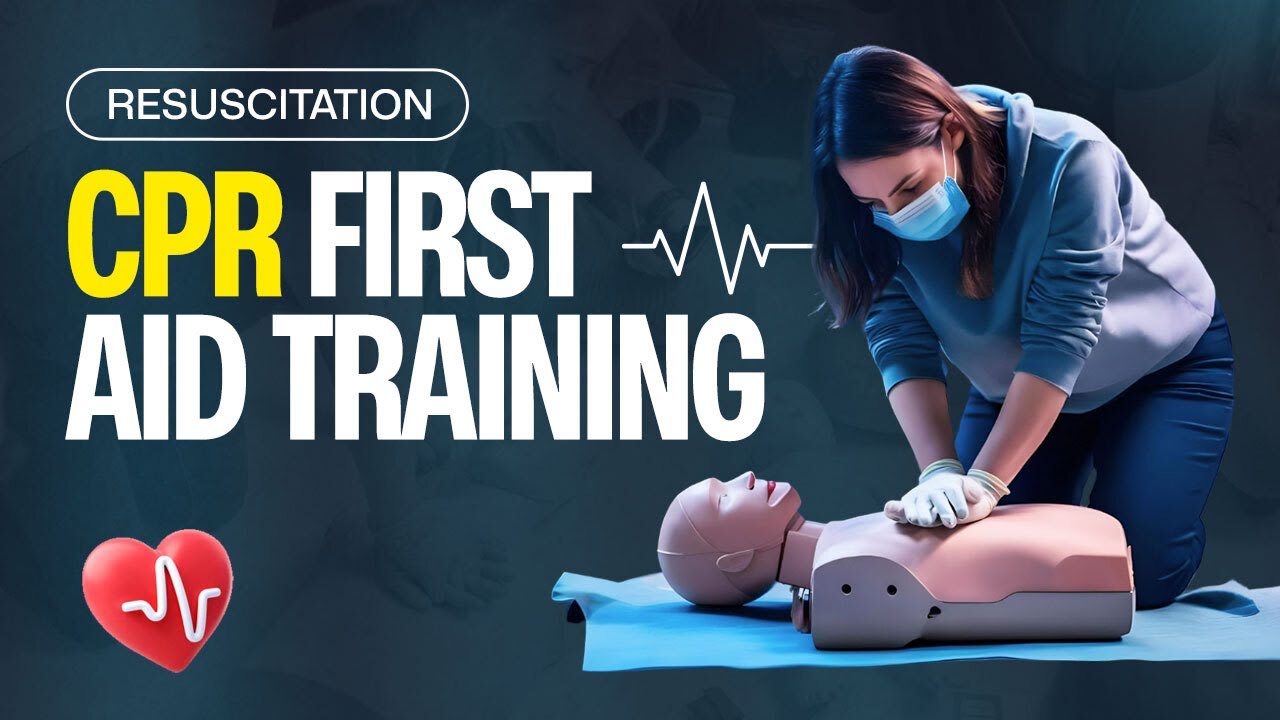
Performing CPR on a newborn varies substantially from grownups because of their dimension and delicacy:
1. Positioning
Lay the baby on their back on a firm surface.
2. Opening Airway
Gently turn the head back a little to open up the respiratory tract while making sure not to exhaust it.
3. Check Breathing
Look for chest motions and pay attention for breath appears for about 10 seconds.
4. Chest Compressions
Using 2 fingers placed just below the nipple fistaid area line, push down roughly 1/3 deepness of their upper body (concerning 1-1.5 inches) at a rate of 100-120 compressions per minute.
5. Rescue Breaths
After every 30 compressions, offer two gentle rescue breaths:

- Seal your lips around their mouth and nose, Deliver each breath over one secondly while observing for upper body surge, Repeat until you see signs of life or assistance arrives.
Common Mistakes Throughout Baby CPR
Even well-intentioned efforts might falter as a result of typical errors:
- Applying too much pressure throughout compressions can cause injury. Failing to make certain proper head tilt may obstruct airflow. Not calling for aid early enough can delay crucial care.
Mental Prep work for Emergencies
It's natural to really feel panic in emergencies; nonetheless, mental prep work plays an essential duty in efficiently performing first aid measures:
- Remain calmness; stressing impedes clear thinking. Practice mindfulness techniques before getting in parenthood.
FAQs Concerning CPR on Newborns
What needs to I do if my newborn stops breathing?
If your newborn quits breathing, quickly analyze their responsiveness, call for assistance, check their respiratory tract, and commence CPR as thorough above.
How often should I take first aid courses?
It's recommended that parents revitalize their understanding every 2 years by taking first aid courses or particular baby CPR training sessions.
Can I utilize an AED on an infant?
Generally talking, AEDs are not suggested for babies under one year old unless particularly made for such usage; always comply with manufacturer's instructions.
Where can I discover first aid courses near me?
You can browse online making use of terms like "first aid training course near me" or check regional hospitals or community centers that often offer these courses regularly.

How long does a first aid qualification last?
Typically, a lot of first aid certifications stay legitimate for 3 years before calling for renewal through correspondence course which include upgraded methods like DRSABCD protocols.
Is it necessary to learn mental health and wellness first aid as well?
Absolutely! Mental wellness first aid equips moms and dads with skills essential not only in physical emergencies but likewise in recognizing psychological distress among youngsters and adolescents.
Conclusion
Understanding "CPR on Newborns: One-of-a-kind Strategies Every Parent Must Know" isn't just regarding obtaining technological skills; it's about empowering yourself as a caregiver ready to face unanticipated challenges head-on. Whether with committed training programs like those offered by various companies or practicing hands-on techniques with relative during workshops-- every effort counts towards constructing self-confidence in your capacity to react properly during emergencies involving your precious newborns.
Incorporating this expertise into your parenting toolkit can indicate saving lives when it matters most. So why wait? Sign up today for courses such as "first aid training course," "cpr training," or specialized "infant first aid program" choices offered close by-- you never understand when you could require them!